
Anymaker Boats and Helicopters at Launch
Buoyancy, boat parts, jets, and rotors are Early Access additions — plan now, confirm details on 18 September.
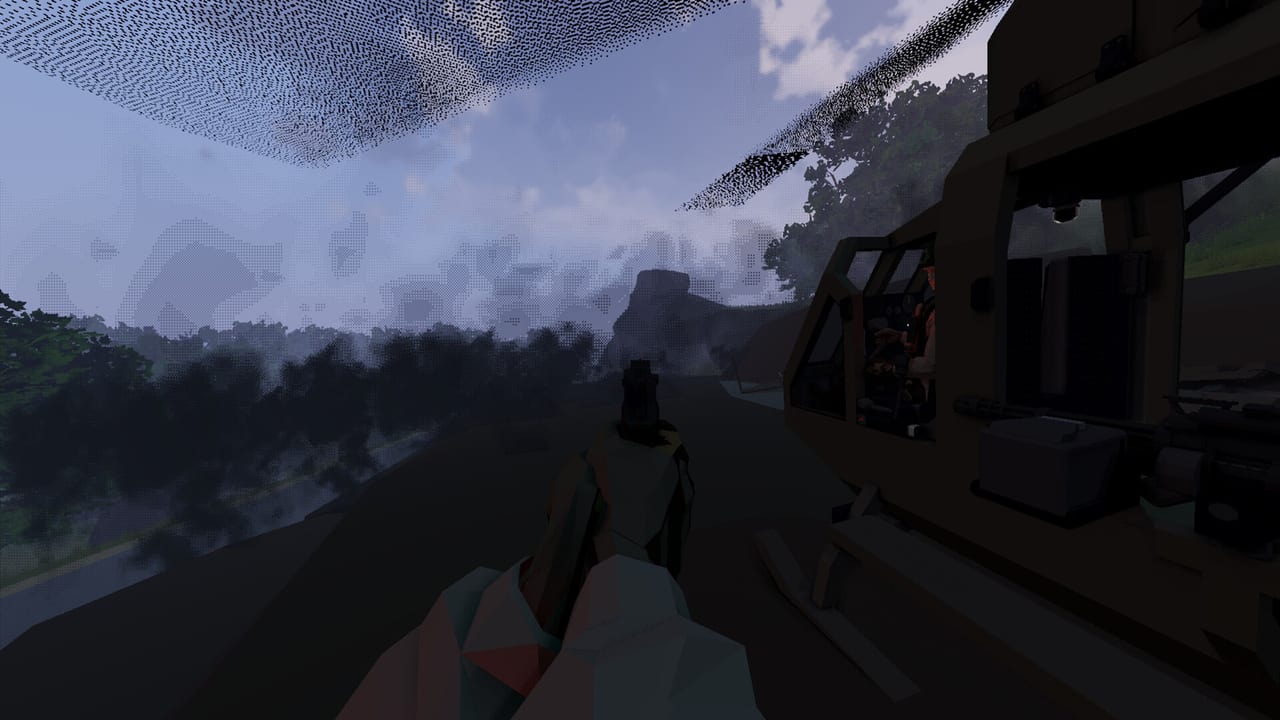
Boats and helicopters are not a demo leftover you mastered in June. They are an Early Access launch promise Geometa posted in September 2026: new buoyancy simulation, boat parts, jet engines, and rotors for marine hulls and rotary aircraft. Complete details were reserved for 18 September. This page is a planning document. It will not invent hull stats, rotor RPM, or a secret seaplane list.
If you have never closed a land door on a hinge, do not start here. Learn vehicle building and engines and wiring on dirt first. Sandbox at launch — all parts, infinite supply, noclip, daylight, no enemies — is the obvious table for first hulls and first rotors. Career water and air are for after you can already loot, eat, and flee.
What is actually promised
The public list is short on purpose. Buoyancy means hulls should float and fail in water-like ways, not sit on an invisible road. Boat parts imply dedicated marine pieces rather than a truck driven off a pier. Jet engines and rotors imply thrust and lift that are not just a gas engine with a new mesh. Steam Workshop arriving the same day means someone else’s helicopter may land in your downloader first. Inspect it with the property tool before you trust it.
The map is planned at about four times the demo: more shoreline, more reason for a boat. Early Access is still planned for about a year. Track shifts on Early Access and the roadmap.
In-world grid building still applies: about 8 cm nodes, diagonals, stand next to the work. A boat you cannot walk along is a CAD habit leaking in. A helicopter whose rotor you cannot reach with repair is a flying tomb.
Plan a hull like a chassis that has to float
Start with the same discipline as a short truck. Edge tool for a spine and ribs. Panels for a skin that is a hull, not a colander. Windows as real openings, not missing plates at the waterline. Leave a bay you can stand in. Punch a hole on purpose in sandbox and see whether the thing sulks. Do not discover that lesson in career fog with food in the hold.
Symmetry by hand still matters. A lopsided hull is a capsize tutorial. Count nodes from a centerline and duplicate a finished rib. Latch hatches. The fluid tool, already needed for fuel and cooling, is a candidate for a marine bay. This wiki will not assert a specific pump part until launch.
Propulsion may be a marine screw, a jet, or something the boat-parts list makes obvious on the day. Until then, assume you still need fuel, cooling, belts or shafts, and cables, because a pretty hull with no path for energy is the same sculpture you already built on land. Keep microcontrollers simple: a throttle and a light, not an autopilot novel.
Plan a helicopter like a machine you have to repair in the open
Rotors and jet engines are the headline. They do not erase mass or the need for a frame that survives vibration. Build a tiny sandbox rig: a seat, a rotor or jet you can see, a fuel path, and enough structure to stand beside it. Noclip is for inspecting a mast, not for pretending a flight model works.
Landing gear is a hinge-and-wheel problem with worse consequences. A skid is a beam with a job. Leave the property tool on the rotor hub until you understand what you placed. Duplicate a good mast instead of freehanding a second one a node off.
Career helicopters will share the sky with weather. Wind, rain, fog, temperature, and lightning are already on the survival list. A rotor in a lightning storm is not a flex. Survival still wins: flee, land, eat, wait. The vehicles tier list may rank air and sea expectations from early footage; it is not a live-patch meta.
Career uses, not trailer fantasies
A boat is a loop expander: shoreline loot and a reason to fortify a shore. A helicopter is a different expander: ridge to town, a way to scout a career bunker entrance, and a way to die far from food. Neither replaces the bunker loot-escalation lesson. Neither is a first-hour vehicle. Co-op on a boat is natural; a tiny helicopter is a crowding problem. Read co-op and agree who sits where.
Workshop creations will arrive fast. Use them as wrecks, then build a smaller machine you can repair. The build checklist still applies; add “does it float or lift in a safe test” as the last box.
Honesty box for 14 September 2026
This page will age on purpose. On 18 September, open the property tool on real boat parts and rotors and rewrite your habits. Until then, do not trust a trailer shot of something flying as a control scheme, a fuel number, or a promise that career will spawn a helipad next to your first house. Preview exists to keep trailer, alpha, demo, and launch promises in separate buckets.
If launch day reveals that buoyancy is picky, start with raft-simple hulls. If rotors are picky, start with a tethered sandbox rig. The skill you can practice now is still the land skill: edge, panel, hinge, fuel, cable, repair access. Water and air are new rooms for that skill, not a second editor.
Frequently Asked Questions
Quick answers about Anymaker building, survival, and Early Access.
Are boats and helicopters in the June demo?
Treat them as Early Access launch additions, not as demo leftovers. Geometa listed buoyancy, boat parts, jet engines, and rotors among the 18 September promises. Confirm on Early Access.
Should my first Anymaker vehicle be a helicopter?
No. Learn a short land chassis, fuel, and belts first. Use vehicle building and engines and wiring, then come back in sandbox.
Will this page list rotor stats after launch?
Only if they are real in-game facts. We will not invent RPM or thrust. Use the property tool, the build checklist, and the roadmap as systems grow.
Is Workshop a shortcut to a working seaplane?
Workshop is promised at launch, which means you can download machines you do not understand. Take them apart like wrecks. Do not skip fuel, buoyancy tests, or repair access.
How does weather affect air and sea?
Wind, rain, fog, temperature, and lightning are already survival systems. Plan to land or dock instead of proving a trailer shot. Survival still applies over water.