
Anymaker Engine Builds You Can Finish
A one-cylinder tractor as the teaching mill: stretch the block, fuel it, then stop.
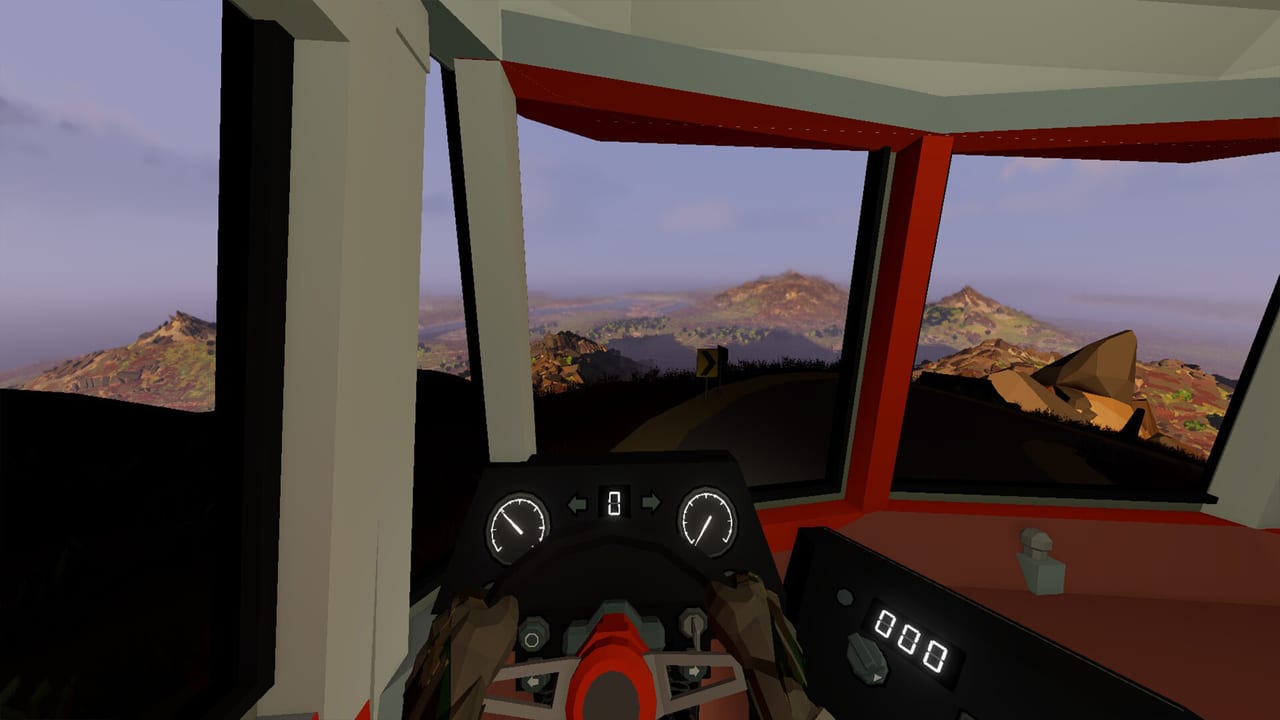
A first Anymaker engine build should be a machine you can walk around, not a trailer truck with a mystery mill buried under chrome. Closed-alpha footage already shows people squeezing and stretching an engine block to fit a one-cylinder tractor: seat, mill, wheels, a bay you can reach. That is the teaching build this page will use. Steam Early Access is still scheduled for 18 September 2026. Treat the embedded tractor video as a method lesson, not as a parts catalog or a horsepower chart this wiki will invent.
Fuel, cooling, belts, and cables — the four reasons a pretty chassis will not start — live on engines and wiring. Frames, symmetry by hand, and wreck-stripping live on vehicle building. Tiny decisions live on microcontrollers. The linear pass lives on the build checklist. This page is the project that ties those four together so you stop decorating a dead engine.
Why a one-cylinder tractor
A tractor is slow on purpose. You can see the block. You can see whether a belt actually leaves the mill. You can step off and inspect a pulley without crawling through a sleeper cab. Alpha footage of a one-cylinder engine in a stretched block is useful because it makes the engine a room, not a decal. If the block can be squeezed or stretched, use that to create access, not to hide a mistake.
Keep the wheelbase short. Long frames fold when you have not braced them, and they hide the mill you are supposed to be learning. Put the seat where you can watch belts. Dummy wheels go on early so the block does not occupy a well. Hoods can wait until the mill cranks. Sandbox at launch is the classroom: all parts, infinite supply, noclip, daylight, no enemies. Career will make you loot the next hose. A teaching tractor is a short runner with the hood left honest.
Stretch the block, then tell the truth about paths
Squeezing or stretching an engine block is not a cosmetics slider. It is how you make a one-cylinder mill fit a spine without closing the cooling face or burying a fluid fitting behind a plate you cannot remove. After you change the block, inspect it with the property tool. If a port moved, the hose has to move. If a belt line got longer, the belt has to exist.
Walk the same four paths every time:
- Fuel reaches the mill. Tank, lines, fluid tool, a filler you can actually use.
- Heat can leave. A sealed box around a gas engine is a kiln. Look at wrecks; a nose full of mesh beats a solid plate.
- Rotation leaves the crank toward wheels. Belts, pulleys, whatever mechanical link the component tool will let you place. Trace it with your eyes before you skin the sides.
- Electricity does the boring jobs: starter, ignition, maybe lights. Cables are not logic.
If step three fails, you built a generator you forgot to connect. If step four fails, you built a sculpture with a key. Do not add a microcontroller to cover a missing hose. Engines and wiring is the parent of this list; this tractor is the homework.
Ropes, winches, and pulleys showed up in later demo notes as recovery tools. A teaching tractor is allowed to be slow. It is not allowed to be unrecoverable. A spare tyre matters because weapons and impacts can damage tyres. Put the repair tool where you can reach it after you step off the seat.
Logic last, and only as much as a tractor needs
Microcontrollers need a battery, electric ports, and the microcontroller tool. They do not start a mill by themselves. Geometa has described logic with if/else/repeat and values that can be integers, fractions, strings, or bools, plus debug, step, and inspect so you can watch a number instead of guessing. That is a gift for a later pass.
Hour-one tractor logic, if any, is a starter that drops out when a running value exists, or a lamp that stays off until you want it. If/else is enough. Repeat and strings can wait. Drag-and-drop or text is your choice; step is not optional. If a value never changes when you hit the real-world switch, the bug is the cable, the port, or the battery — see microcontrollers — not your future novel. Duplicate a working starter program the way you duplicate a finished wheel bay. When Steam Workshop arrives at launch, take downloaded graphs apart on a plank before you bolt them to a career mill.
Field test like a mechanic
Use the build checklist in order: frame, wheels, engine, fuel, cooling, electrics, seat, lights, repair. Then sit, power on, crank, idle, steer, drive a short loop, brake, reverse. If crank fails, do not add more bodywork. Noclip is for inspecting a belt you cannot see, not for pretending a tractor works because you flew it over a hill. Career tests belong on a loop back to a roof. Vehicle building still applies if the spine twists. Boats, jets, and rotors are Early Access launch additions; they are not this tractor.
Until 18 September 2026 the game remains upcoming. Finish one ugly one-cylinder machine that starts. Stretch the block only to make the mill reachable. Keep logic tiny. Everything flashy in a trailer is a different build.
Frequently Asked Questions
Quick answers about Anymaker building, survival, and Early Access.
Why start with a one-cylinder tractor?
Alpha footage already uses that shape as a visible mill: you can stretch the block, see belts, and stand in the bay. A trailer truck hides the lesson. Pair it with engines and wiring.
Can I squeeze or stretch the engine block?
Closed-alpha footage shows the block being squeezed and stretched to fit. Use that for access, then inspect ports with the property tool so fuel and cooling still meet the mill.
Do I need a microcontroller on the first tractor?
Usually no. You need a battery, cables, and a starter path. If you add logic later, you still need the microcontroller tool and electric ports. Keep if/else tiny on microcontrollers.
What should I check before the first drive?
Frame, wheels, mill, fuel, cooling, belts, cables, seat, lights, repair. The build checklist is the linear version. Do not add hood chrome until it cranks.
Should I copy this tractor from Workshop on launch day?
Workshop is promised at Early Access, not live today. When files exist, inspect them like wrecks. Learn the tools on vehicle building so you can repair what you download.
Will a jet or rotor replace this teaching mill?
No. Jets and rotors are launch additions for boats and helicopters. Land gas still teaches fuel and belts first. Keep this tractor honest before you leave the dirt.